Planning for Growth vs. Planning for Success
One of the most difficult parts of adulting is deciding what you want to do or making up your mind about what you want to be known for. Part of the reason this decision is so tough is that we’re overly concerned with the end result, which often leads to us shortchanging ourselves on the great advantage of being young.
Youth is designed for learning. We can capitalize on this advantage if instead of thinking about the end goal we focus on what would challenge us enough to make sure we gain the skills needed to get to the final destination. That’s the difference between planning for growth versus success.
But what does this look like in practice?
Let’s consider two scenarios:
In the first scenario you have the opportunity to make more money than scenario two, which is excellent in the short term – we can measure this as a kind of success – but you aren’t in your preferred career path.
In the second scenario you’re making less money, but you’re in the career path you’ve dreamt of, thus giving you the chance to connect with mentors and invaluable learning opportunities.
The long-term value of the second scenario outweighs the first; however, the short-term value of Option A is more obvious, and arguably more valued by society. The short-term option provides immediate stability, whereas planning for growth isn’t guaranteeing anything immediate, and that lack of certainty is a scarier feeling, but you’ll gain something you can’t really quantify – challenges and stimulus for growth.
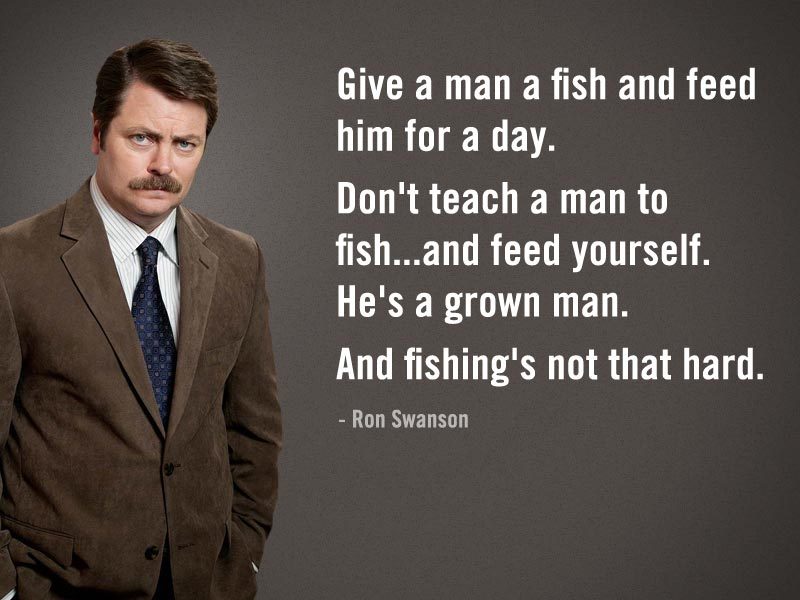
If you don’t know what the hell you’re doing or how to go about adulting, that’s okay, but just consider the proverb: Give a man a fish and he’ll eat for a day. Teach him how to fish and he’ll eat forever.
YOU are the asset. YOU are the value. The short-term rewards will dwindle, but you increase your own value by focusing on your growth. Your experience is perpetually rewarding.

0 comments:
Post a Comment